
So this post went popular on Reddit and I figured it would make sense to move it to our blog as well...
Every few moons I see a post on "SOW vs SLA", "How to write an MSA", and other Client Facing Document related questions. I wanted to use this post as a springboard on my philosophies on the SOW side and eventually I'll write some more on the other Documents you'd give a client.
Whether you're a one person shop, project manager, or part of a MSP with a consulting arm, getting the SOW right can make or break a project. A clear SOW helps manage expectations, avoid scope creep, and ensures everyone is on the same page from day one.
Project Overview
Although this is common sense, this section is all about defining what the project is and what the client is asking for. It's essential to set the tone and provide context.
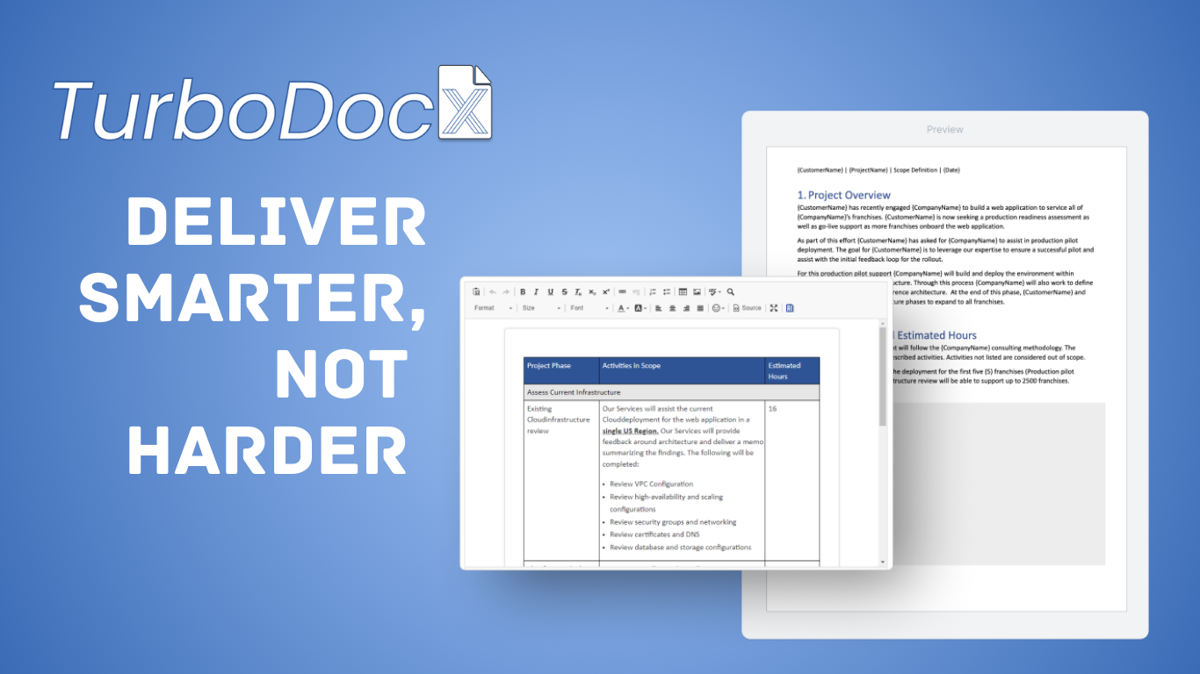
In the example I worked on, the client wanted us to build a web application and deploy it for five franchises. We also outlined that we'd evaluate the potential to expand this rollout to 2,500 franchises in the future.
Key Tip
Make sure the overview clearly states what's included in the current phase and where future possibilities might lead. This helps prevent the annoying "But we thought this was included!" moment and lines you up for future work.
Scope Definition
Here's where the magic happens. A good scope definition is clear and concise—it's the cornerstone of your SOW.
In my project, we used Scope Tables to outline exactly what was in scope for the deployment, and specified that only the first five franchises were included. I also call out specifics like "3 US Regions" and give brief but concise bullet points on what's included.
If it's not listed, it's not in scope.
Best Practices
- Use clear, specific language—avoid vague terms
- Break down scope into manageable tables or sections
- Call out specific quantities and limitations (e.g., "5 franchises", "3 US Regions")
- Create centralized scope tables that can be reused for future projects
- Consider tying scope items to SKUs for cookie-cutter services
Out of Scope
Critical Section
Again - common sense, but one of the most critical sections of any SOW. It is what you're not going to do. Seriously, this can save you from so much scope creep.
Example: What We Marked Out of Scope
- ❌Adding any new features to the web app
- ❌Onboarding more than five franchises
- ❌Building new AWS infrastructure not mentioned in the Cloud Build Section
- ❌Any custom integrations beyond what's specified
Pro Tip
Be super specific about what's not included. It helps prevent misunderstandings later and gives you room to negotiate additional services (and budgets!) if needed.
I would argue the next sections are for shops with enterprise styled clients, typically companies with a CIO or a company used to 5 figure+ engagements. I know some of the folks here service large brands and can relate to what I'm saying below...
Deliverables
Clients love to know what they're getting for their money. In our SOW, we broke down the deliverables by phase:
Cloud Infrastructure Review Memo
Outlines findings and recommended next steps for infrastructure optimization
Rollout Strategy Memo
Details how to go-live smoothly at scale across all franchises
Bug Report Memo
Documents issues from the pilot and provides actionable fixes
Key Takeaway
Make sure every deliverable is tied directly to the project's objectives. Vague deliverables like "provide support" won't cut it.
Project Management and Change Control
Projects evolve. That's why a strong change management process is vital. We used a structured methodology for handling unexpected scope changes.
Confirm the Need
Validate that the change request is necessary and aligned with project goals
Outline Deliverables
Document exactly what additional work will be provided
Estimate Impact
Calculate the effect on budget, timeline, and resources
Get Agreement
Obtain written approval before proceeding with changes
Why This Matters
This process ensures that both parties agree before moving forward with additional work, avoiding disputes down the line.
Back to regularly scheduled programming applying to everyone:
Assumptions
You can't predict everything, but you can prepare. Outline general assumptions that are important for the project to succeed.
Key Assumptions for Success
- The client will provide all necessary hardware and licenses
- The client's team will be available for regular meetings and questions
- Post-project agreement for ongoing services (or reference to MSA)
- Access to required systems and credentials will be provided promptly
Important Note
If any assumptions are not met, this can lead to delays or increased costs. Having these documented gives you leverage if things go off track.
Estimated Fees
Don't forget the financials! We estimated the total consulting fees and laid out clear guidelines for any changes in staffing or scope. Make sure to provide a breakdown of fees based on the project's phases and possible contingencies.
Time and Material
DEFINITION
Billing based on actual work performed, tracked through timesheets or ongoing work logs.
EXAMPLE
Billing weekly for tasks such as feedback, remediation, or any variable tasks that arise as part of ongoing project support.
PRACTICAL USE
Useful for projects with uncertain scope or evolving requirements, where work effort and time may vary.
Fixed Fee with Milestones
DEFINITION
Predetermined fees billed upon the completion of specific project phases or milestones, helping manage cash flow.
EXAMPLE STRUCTURE
- Phase 1: Billing $5k upon completion of 'Assess Current Infrastructure' phase
- Phase 2: Billing $10k upon completion of 'AWS Cloud Build' phase
- Final: Remaining balance billed upon project completion
PRACTICAL USE
Effective for projects with well-defined phases, allowing clients to make payments incrementally as key objectives are met.
Project Closure Clause for Auto-Acceptance
Purpose: To prevent project deadlock due to unresponsive clients, enabling project closure and final invoicing.
SUGGESTED TEXT
"The project will be considered closed upon the mutual acknowledgment of all deliverables as completed, or, if no response is received, within 4 weeks of work completion. This auto-acceptance clause prevents extended deadlock and allows timely revenue recognition."
Final Thoughts
A well-structured SOW is more than just a contract—it's a roadmap for success. Always remember to:
Define Scope Explicitly
Be crystal clear about what is and isn't included to prevent scope creep
Include Change Management
Have a structured process for handling changes and additional requests
Set Clear Expectations
Document deliverables, assumptions, and payment terms upfront
I hope this breakdown helps you write better SOWs in your own projects. Curious to other people's thoughts and how they run shop.
Excited to see how you can crank these SOWs out in seconds.
Nicolas
Create Professional SOWs in Seconds with TurboDocx
Stop wasting hours on document creation. Use our intelligent templating system to generate perfect SOWs every time.
Related Resources
MSP Document Automation →
Automate SOWs, QBRs, and technical documentation directly from your PSA
Generate SOWs from CRM Data →
Step-by-step guide to automating statement of work generation from your CRM
MSP Automation with n8n →
Discover how MSPs automate their entire workflow with n8n integrations
IT Consulting Automation →
Streamline client deliverables and project documentation for consulting firms